


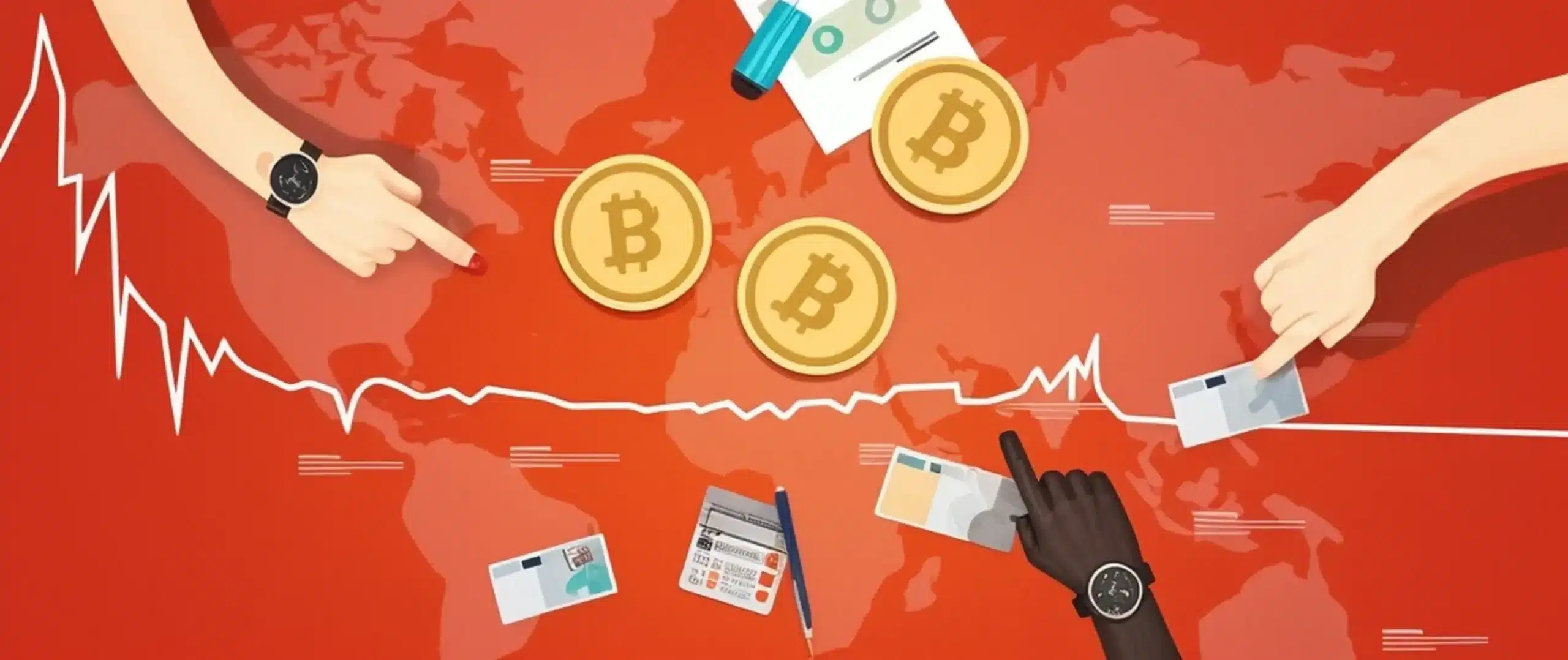
In today’s world, geopolitical conflicts have shifted investors’ outlook, particularly in using crypto as a financial tool. The significant rise of the crypto economy indicates how investors are leveraging digital currencies to navigate uncertain political climates and sanctions.
Geopolitical Conflicts and Crypto: An Overview
Understanding the interplay between geopolitical struggles and the crypto economy reveals vital insights into investor behavior. Geopolitical conflicts often lead to economic uncertainty, impacting how individuals and nations approach investments. As tensions rise, many investors turn to cryptocurrencies like Bitcoin and Ethereum due to their decentralized nature and potential for value retention during market shocks.
For instance, during the ongoing Iran conflict, many citizens turn to crypto as a means to bypass sanctions imposed on their country. This trend highlights how geopolitical struggles drive increased crypto adoption. A notable example of this behavior can be observed in regions experiencing severe financial restrictions, prompting citizens and governments alike to explore digital currencies as alternative financial solutions.
Key players in this arena include not only individual investors but also state actors using cryptocurrencies to navigate economic sanctions. As recent reports show, institutions are increasingly aware of how digital currencies can be employed to circumvent traditional financial systems, thus changing the landscape of international economic relations significantly.
The Rise of Crypto in Turbulent Times
Recent trends indicate a surge in cryptocurrency usage during geopolitical conflicts. Between 2025’s economic turmoil and growing sanctions, the crypto economy has gained traction as a readily accessible financial tool. Increased internet access and greater familiarity with blockchain technology have contributed to this rise, especially in countries facing economic hardship.
According to Chainalysis, sanctions evasion through cryptocurrencies has risen by over 700% in 2025. This drastic increase illustrates the shifting dynamics of financial systems under stress, where crypto emerges as a valid alternative. Areas like Iran and North Korea exemplify how national conflicts influence adoption rates, with many utilizing cryptocurrencies to facilitate trade and economic survival amidst sanctions.
Inflation and currency depreciation have also led to heightened interest in stablecoins, as these digital assets provide alternatives for individuals seeking stability. This trend signifies that crypto serves not only as a speculative investment but also as a mechanism for day-to-day transactions in unstable environments.
Investors’ Outlook on Crypto during Geopolitical Strain
Investor sentiment is significantly reshaped by geopolitical events. With increasing uncertainty around global politics, many investors view cryptocurrencies as a hedge against traditional equity markets, which tend to react negatively to political instability. This shift in perspective encourages a proactive approach to digital asset investments.
Stablecoins have become particularly attractive for investors looking for safe havens during turbulent times. These assets, which maintain their value against traditional currencies, provide not only stability but also liquidity in moments of crisis. For example, as the effects of the Iran conflict unfolded, many investors shifted their focus to stablecoins, allowing them to retain their purchasing power while simultaneously facilitating cross-border transactions.
Additionally, notable geopolitical conflicts such as the ongoing tensions in Ukraine and escalating hostilities in the Middle East have prompted investors to rethink their strategies, often resorting to diversified portfolios incorporating various cryptocurrencies to mitigate risks.
Insights on Sanctions Evasion and Crypto Economics
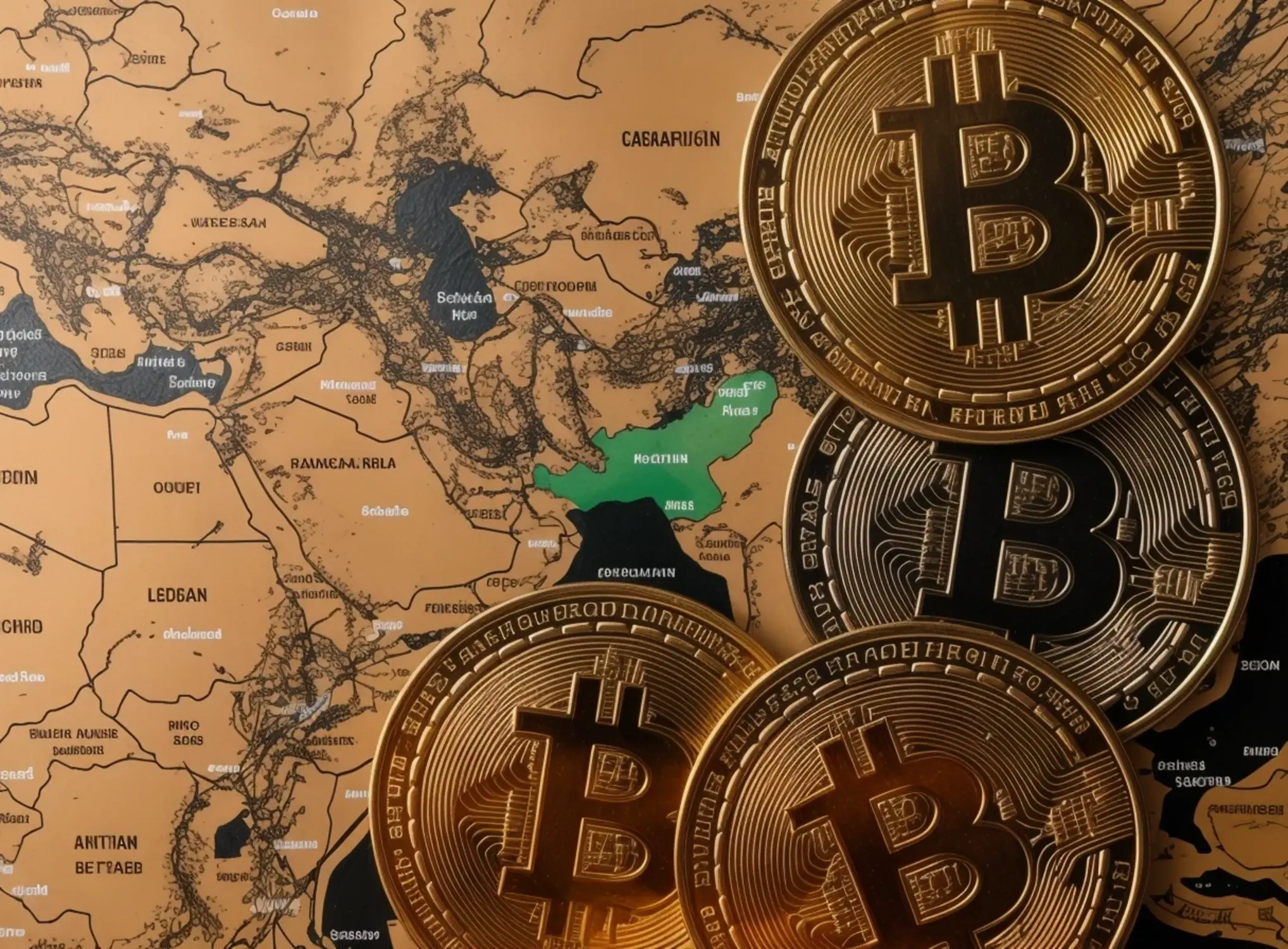
The economics surrounding sanctions evasion through cryptocurrencies are complex and evolving. Detailed reports indicate that states like Iran have increasingly utilized crypto assets for illicit financing and to circumvent international sanctions. In 2025, statistics indicated that at least $104 billion in cryptocurrency was funneled through such illicit avenues, an almost eightfold increase from the previous year.
The role of stablecoins remains crucial, with approximately 84% of all illicit transaction volumes linked to these digital assets. Chainalysis highlights the emergence of the ruble-pegged A7A5 stablecoin, which processed over $93 billion in transactions, demonstrating how state actors rely on these assets to move funds internationally. This surge in stablecoin transactions during geopolitical crises underscores a pivotal shift in how nations approach economic constraints.
Crypto’s Influence on International Relations
The dynamics of cryptocurrencies are reshaping international relations, affecting diplomatic interactions significantly. Nations are now grappling with how to address the rise of digital currencies that can operate outside traditional monetary systems. The decentralized nature of crypto can facilitate or hinder international cooperation, as some jurisdictions adopt crypto-friendly regulations, while others impose stricter controls.
Furthermore, the implications for national security and economic policy are profound. As cryptocurrencies challenge traditional methods of financial regulation, governments may find it increasingly difficult to combat illicit finances stemming from geopolitical tensions. This evolving landscape necessitates a reevaluation of international treaties and cooperation efforts regarding sanctions and economic policies.
Steps for Investors in the Current Crypto Landscape
Navigating the crypto market in times of uncertainty requires a strategic approach. Investors should consider employing diversification strategies, utilizing a mix of cryptocurrencies, and conducting thorough research to understand market fluctuations influenced by geopolitical events.
Moreover, staying informed through reliable resources can aid in making sound investment decisions within the crypto economy. Adopting a risk management strategy can help mitigate losses associated with market volatility, especially during periods marked by conflict.
Investors must be aware of regulatory changes, especially since the evolving international stance on cryptocurrencies may lead to unexpected implications for asset liquidity and legality.
By actively seeking knowledge and developing adaptable strategies, investors can better position themselves within the increasingly intertwined worlds of crypto and geopolitics.